What we learned from an honest conversation during ReLondon’s Circular Economy Week.
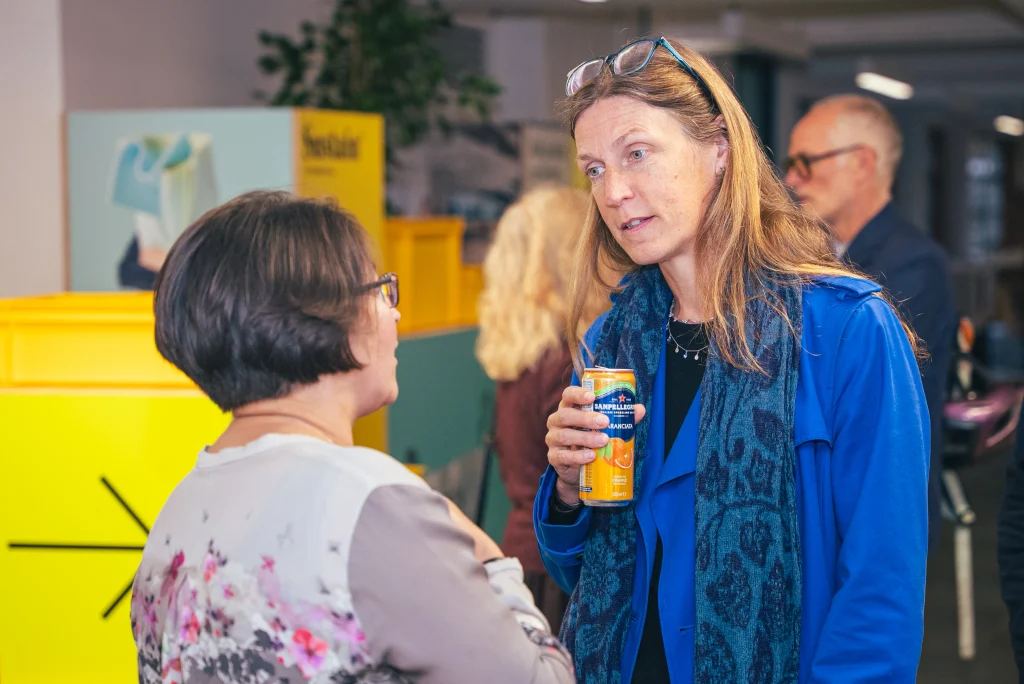
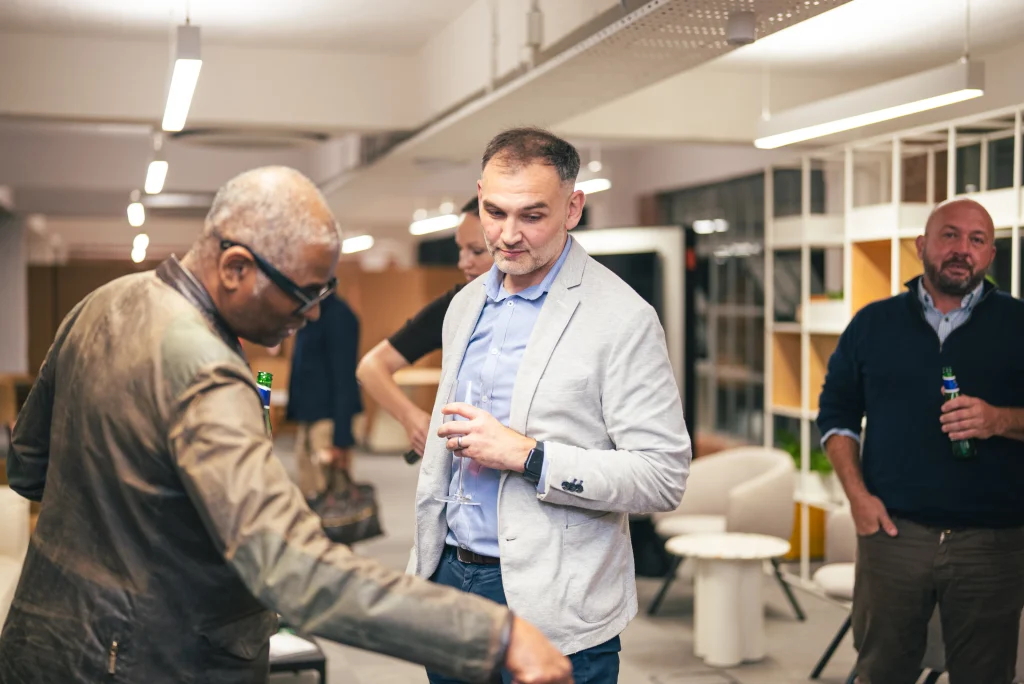
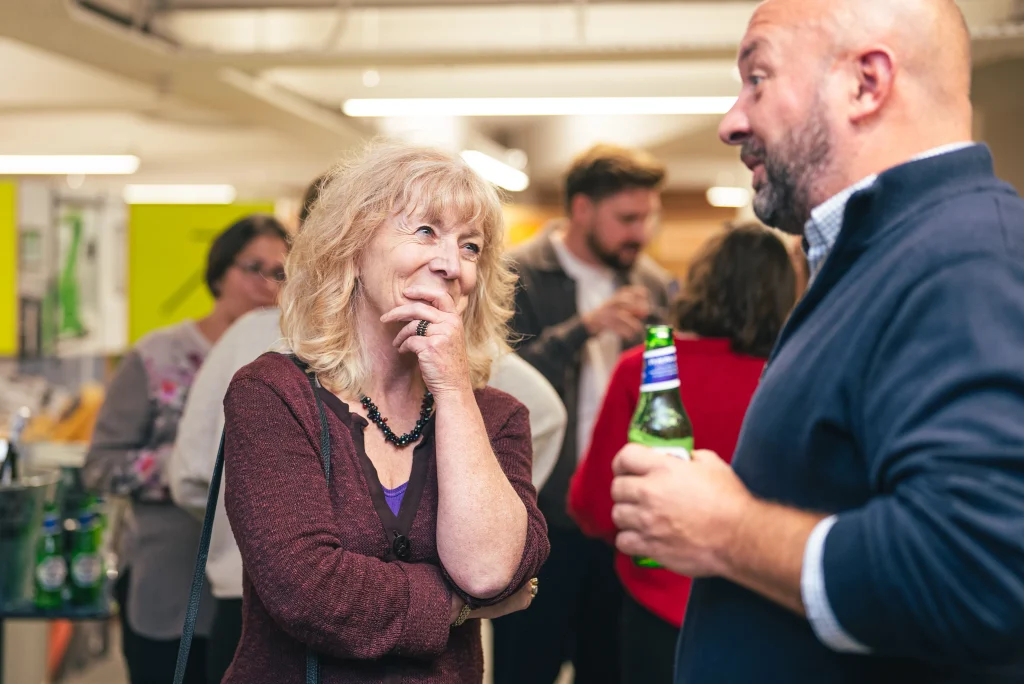
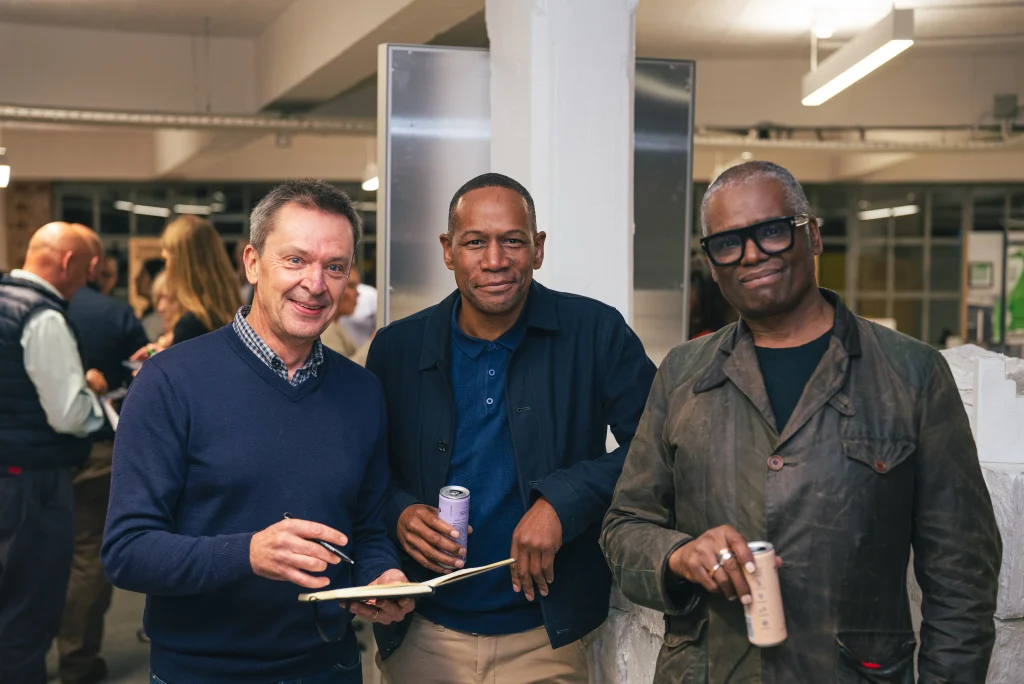
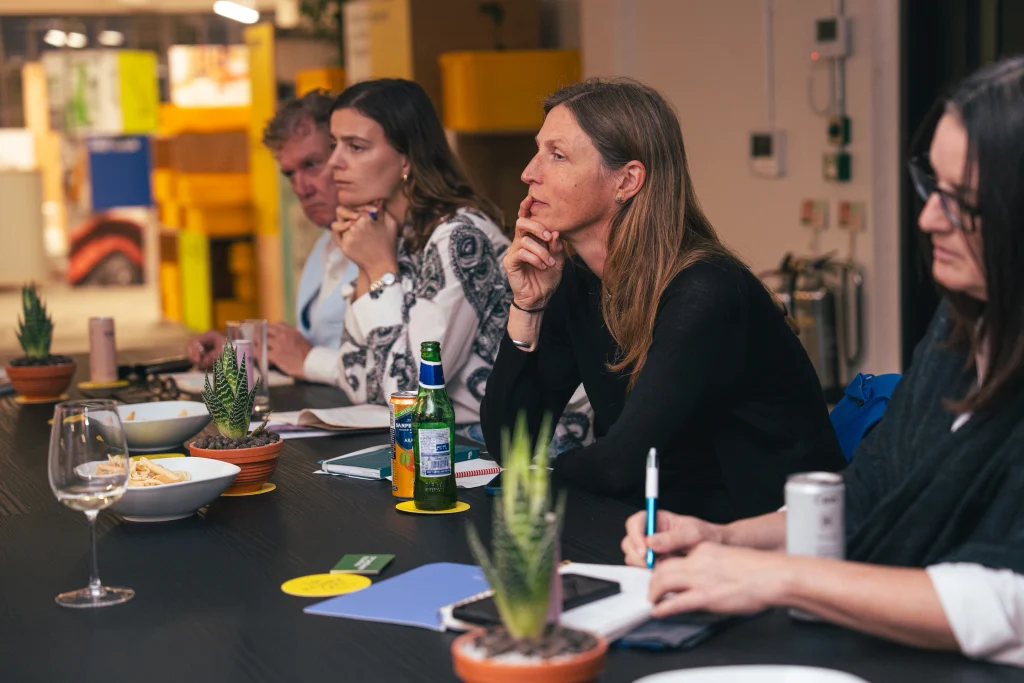
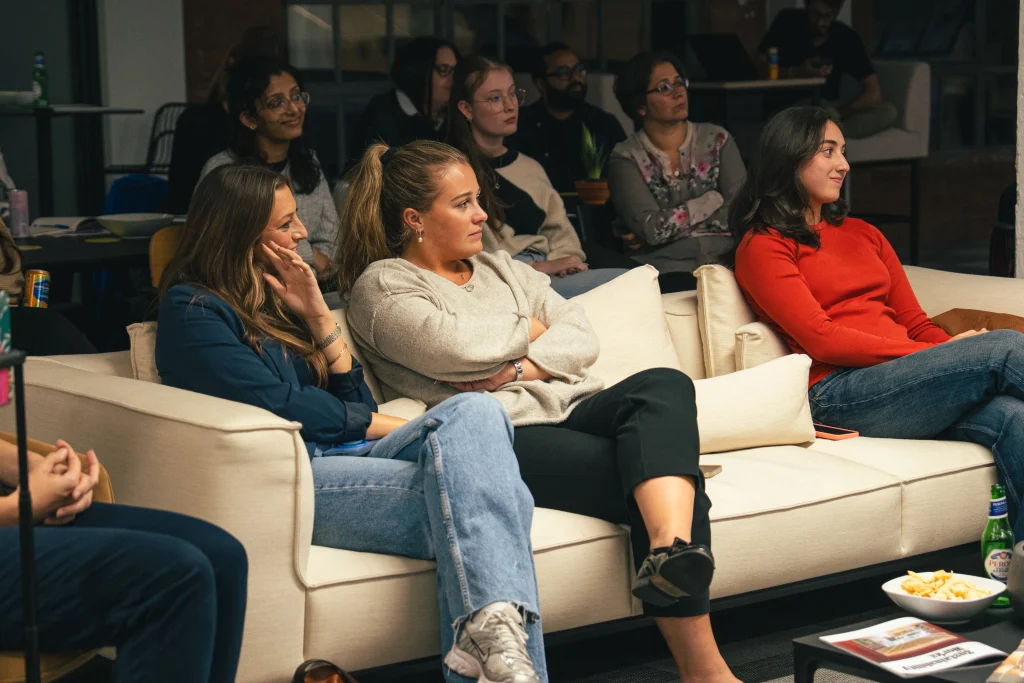
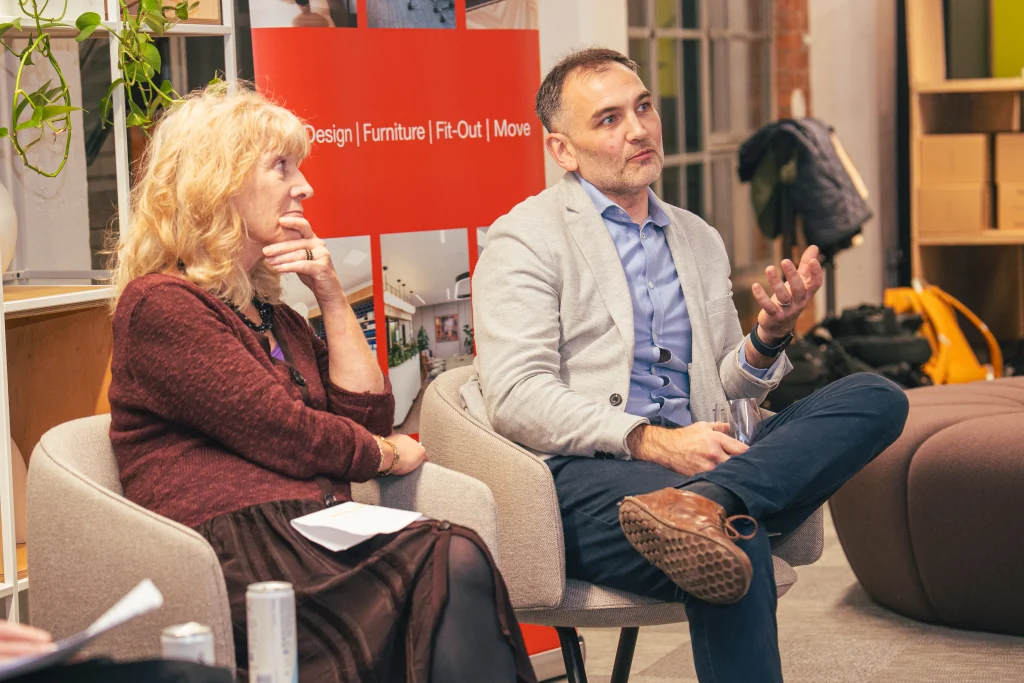
Broadbase, Virtus, Senator and the Sustainable Design Collective joined a lively audience at Senator Allermuir showroom to ask what is really holding circularity back in office fit-out?
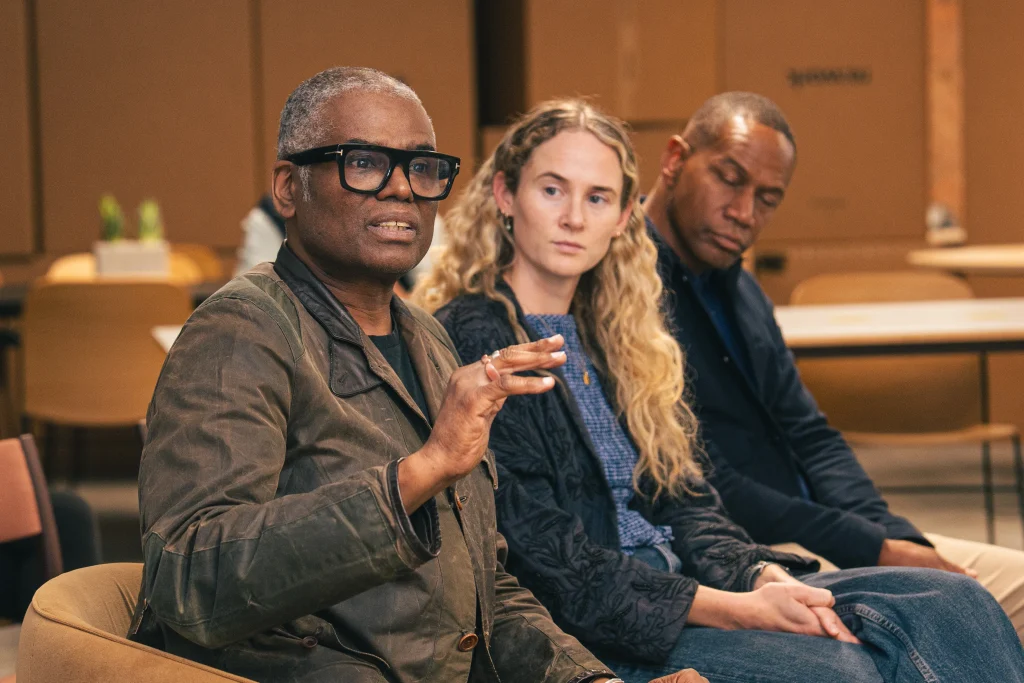
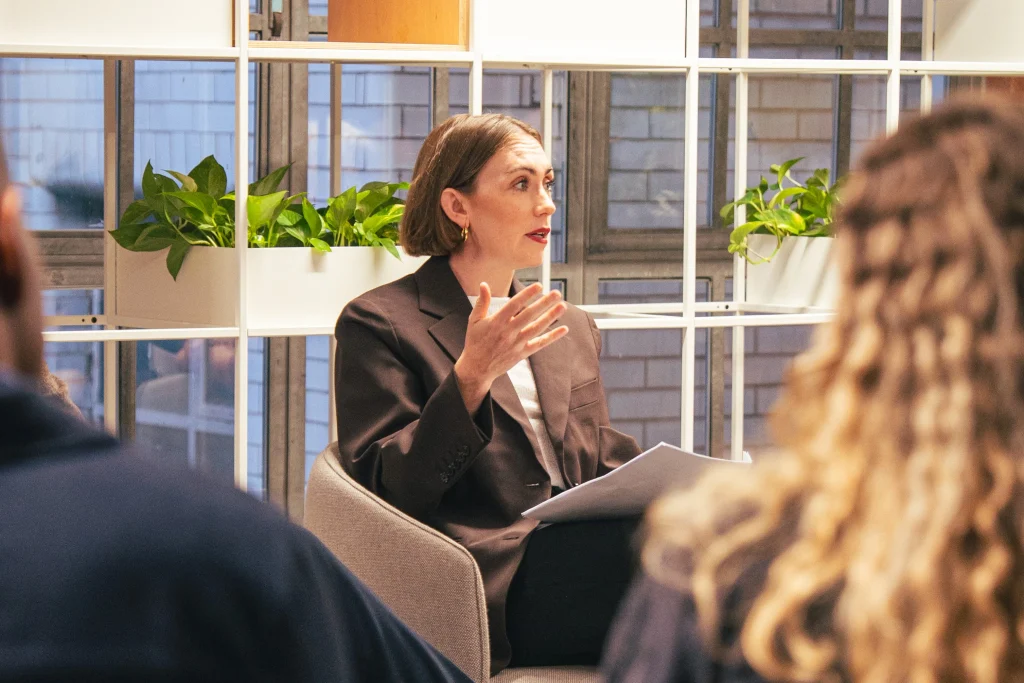
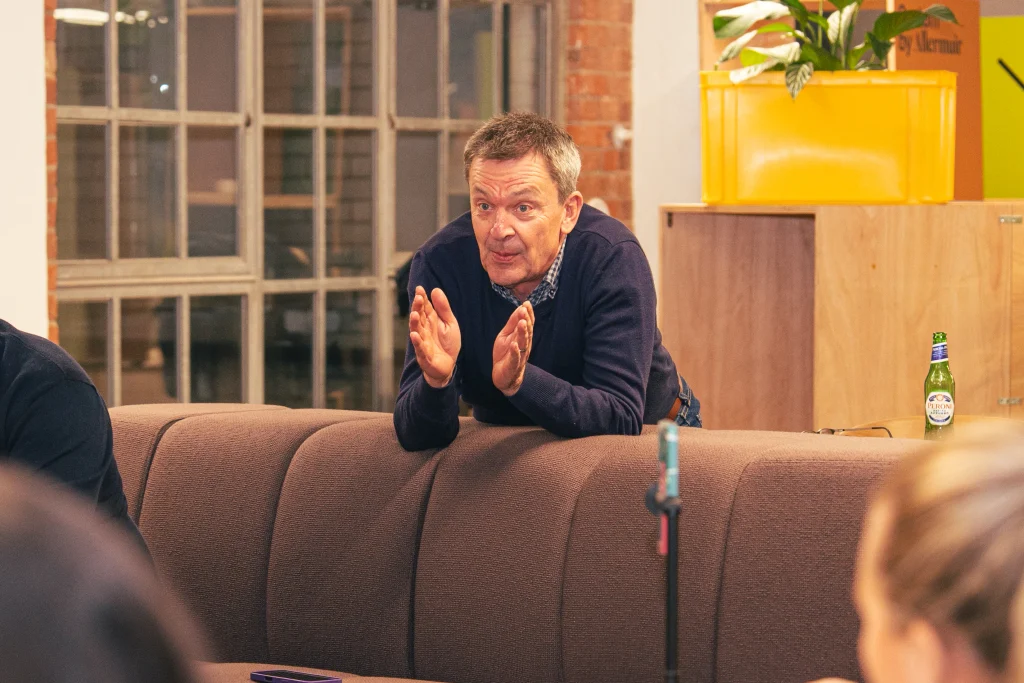
On the panel
- Poppy Cunningham, Head of ESG, Virtus (chair)
- Max Crichton, Design Director, Virtus
- Georgina Smith, Director, Broadbase, and founder of Continu
- Joanna Knight, Co-founder, Sustainable Design Collective
- Jonathan Doney, Head of Commercial Operations, Senator
Why it matters
The case for change is not in doubt, as Poppy put it at the start of the evening, circularity is “much more than just what bin our waste ends up in. It’s about keeping those resources in use for us and for future generations.”
The scale of the problem is clear; the UN Environment Programme estimates that global material extraction has tripled in the last 50 years and, on the current trajectory, is set to rise by another 60% by 2060. The built environment is a major driver. The industry broadly knows what it needs to do. The discussion was about why it so often doesn’t happen.
The process is built for new
Fit-out programmes are organised around procurement, so there is rarely time at the start to assess what a client already owns, even though, as Georgina put it, the most sustainable piece of furniture is the one you already own. Success is still often measured by how much waste avoids landfill, which rewards the last step rather than the first. A better question is how much you kept in use, then what could be updated, and only then what was left over. That takes client, contractor and designer working as one team before demolition, with someone accountable at every stage. Joanna argued that adding a little reuse to an unchanged process won’t be enough, because the process itself has to change: “We need to completely rethink what we’re doing.”
Timing and control matter too; with new furniture, you order it, you know the lead time, and you know what you’ll get. Reused furniture can offer the same certainty, but only if the dealer is brought into a project early.
The hidden waste in change
Some of the biggest losses happen not at the end of a building’s life but during routine change. Georgina described “graveyards of furniture”: a basement full of furniture left behind when a tenant moved out. By the time anyone asks whether it could be reused, pieces are damaged, and fixings are missing. Moving and storing furniture is expensive, so it ends up wherever is cheapest.
Tenant-ready fit-outs add to the problem, because incoming occupiers often want something different. Jonathan had outlined one possible answer, a subscription model from Senator called furniture as a service, in which the manufacturer keeps ownership of the furniture and takes it back when needs change, so it can be reused rather than thrown away. For landlords and tenants, the appeal is to fit out a space once and change it without sending everything to a skip. Max also floated the idea of a shared, serviced Cat A pack that could be reused across projects.
Claims need proof, and proof is expensive
There was strong support for a single agreed standard that lets clients compare like with like. Jonathan pointed to the cost of EPDs as a barrier, even for a large manufacturer. Joanna noted that tighter European rules on proving environmental claims are likely to push the industry the same way, and vague phrases such as “climate neutral” will be harder to use without evidence. The panel also discussed whether box-ticking is always a bad thing. Even if some clients choose reuse mainly to tick a box, it still leads to a more responsible decision, and a universally accepted certification would make that easier.
Who carries the risk?
Manufacturers have a role, but the panel was clear that responsibility is shared. Joanna said you can’t squeeze suppliers on margin and then expect them to carry all the risk and take furniture back at the end of its life.
The conversation also showed how new the territory is. Questions such as whether subscribed furniture sits on the balance sheet, and who reports the carbon under the GHG Protocol, are still being worked through, and the rules are under review. The panel expected the picture to look quite different within five years.
Beyond furniture, an attendee piloting reuse of luminaires and ceiling tiles described similar barriers: weak incentives for clients, warranty concerns, and few manufacturers ready to take ownership. Some projects accept a visual inspection, while others draw a red line, and third parties are starting to offer warranties. Carbon savings are large for the products themselves but small beside concrete and steel in a whole building.
The perception problem
The panel identified that many clients still assume quality used or second-life furniture means second best. The room debated the language itself, “second-hand” comes with judgement attached, and one attendee noted that the same piece of clothing sold for pounds in a funky vintage shop might fetch pennies in a jumble sale. Alternatives ranged from “serviced” to thinking of buildings as material banks, although it was challenged that a new universal name wouldn’t actually change anything, as you always have to use the word second-hand to explain to clients what you mean.
At Broadbase, “quality used” was chosen as it acknowledges the furniture’s history while specifying that it is still a quality item. Georgina explained that Broadbase have been using quality used furniture on projects for over ten years and subsequently launched Continu three years ago to put those projects in the spotlight.
The panel agreed that communicating value, not just cost, is what moves clients. A refurbished quality chair will never be the cheapest option, and shouldn’t be compared with a cheap new one.
What is already working
The panellists discussed the merits of implementing a hybrid furniture strategy within design. Georgina described a tiered approach: reuse existing stock where it works and top up with new pieces where the design calls for it, such as front of house or meeting rooms. Jonathan added that subscription suits items that wear quickly, such as task seating. Using a real-life example, the Thames & Hudson project, Max described how a tight budget led Virtus to ask Broadbase for help to reduce the furniture cost. Quality used bench desking was upgraded with new timber end legs to meet the design vision.
A designer added that reuse can be an opportunity rather than a constraint. Working with existing furniture can make a space more distinctive, and when the design needs something the market doesn’t have, such as a particular colour, refurbishing or reupholstering is often the answer. The budget it saves can also protect the hero spaces that matter most.
Max Crichton summed up, “The best reuse projects are ones where it’s almost indistinguishable what is new and what is old […] it doesn’t matter if somebody’s sat in the chair 5,000 times or it’s the first time. If it’s a great design, it looks good, and everyone’s happy.”
Changing minds
Systemic change was a consistent thread running through the evening, and an attendee put the challenge bluntly. They had agreed that it was needed, but were still losing the battle for hearts and minds. Cost matters, and if reuse can be shown to be cheaper, great, but people are used to “this is the process, and this is what we do”. So how do you create systemic change? Is it evolution or revolution, and where is the balance that gets people to try something different?
The answers pointed to communication. Georgina explained that reuse changes the order of a project’s milestones, so teams need to see the journey from the outset, with schedules they can interact with and examples that show what is possible. Bringing people along matters more than winning the first meeting, because enthusiasm can fade once the practicalities appear. Max’s view was that in his experience, few clients refuse to at least open the door to reuse and some really grab onto the green story for a number of reasons. Incentives matter too. Joanna noted that younger people are already comfortable with second-hand, and that the corporate world has further to go. Her view was that carbon and the rising cost of waste will do more than good intentions.
One wish for the industry
To wrap up the evening, the panellists were asked what one change they would make in five words or fewer:
- Max: “Let’s agree what it’s called.”
- Georgina: “Stop treating new as default.”
- Joanna: “Make waste more expensive.”
- Jonathan: “Make sustainability mandatory.”
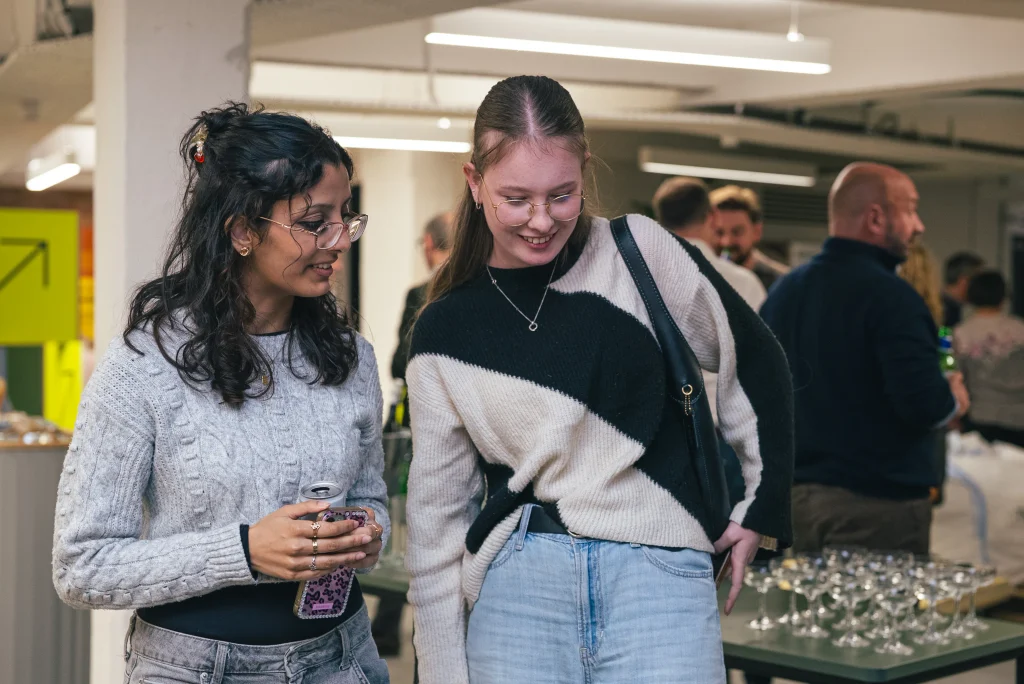
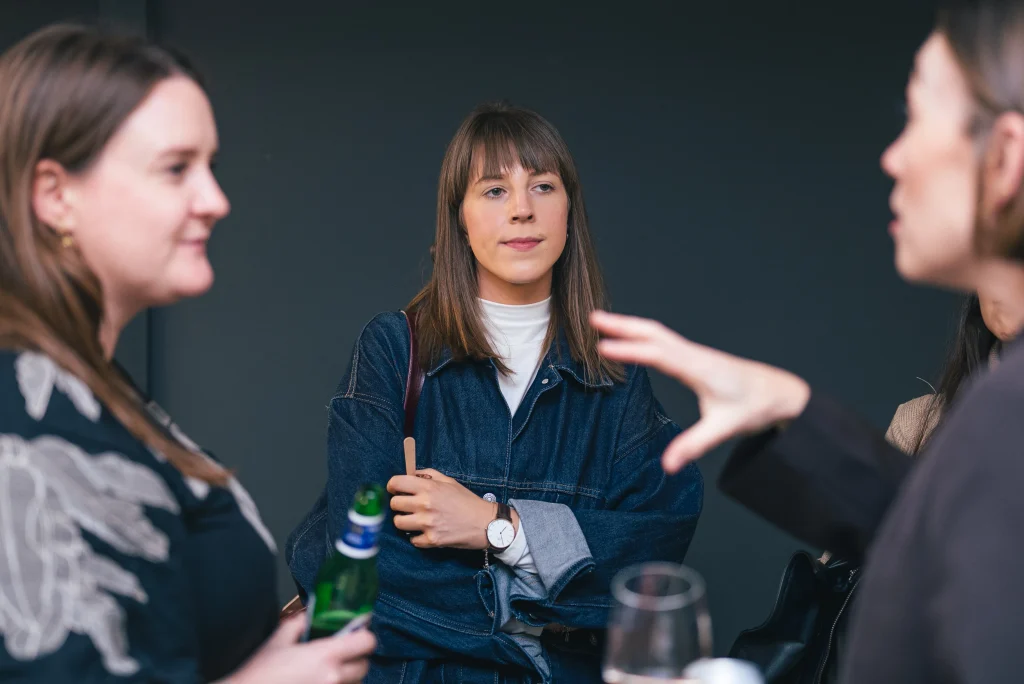
We would like to thank everyone who came and joined in. The questions and challenges from the room made the discussion, and the networking afterwards was every bit as valuable. Thank you also to Senator for hosting, and to ReLondon for another valuable Circular Economy Week.